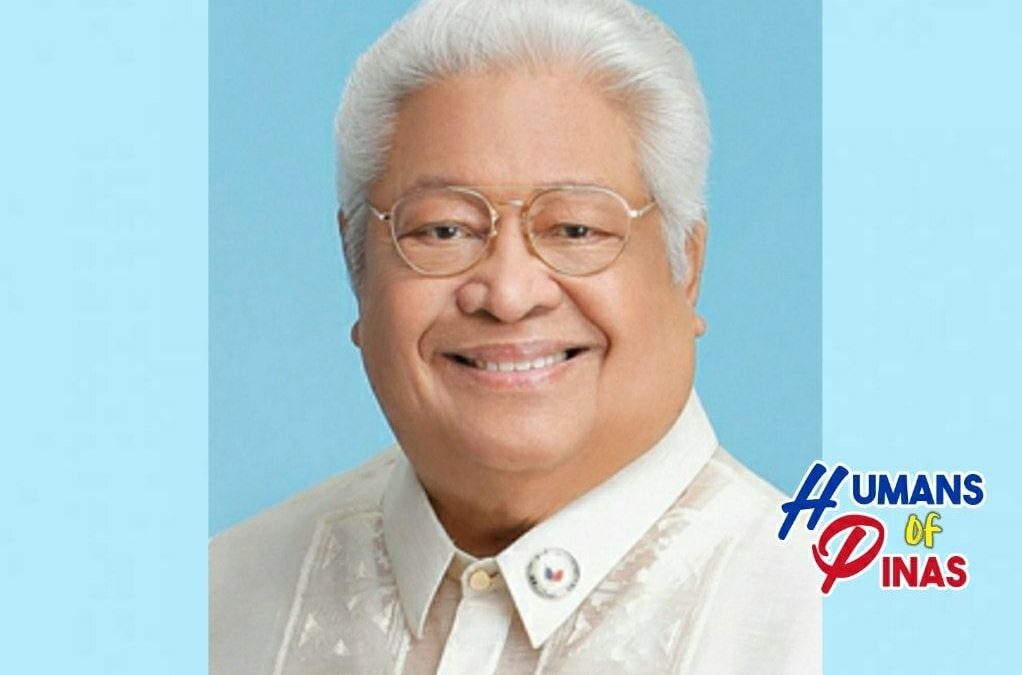
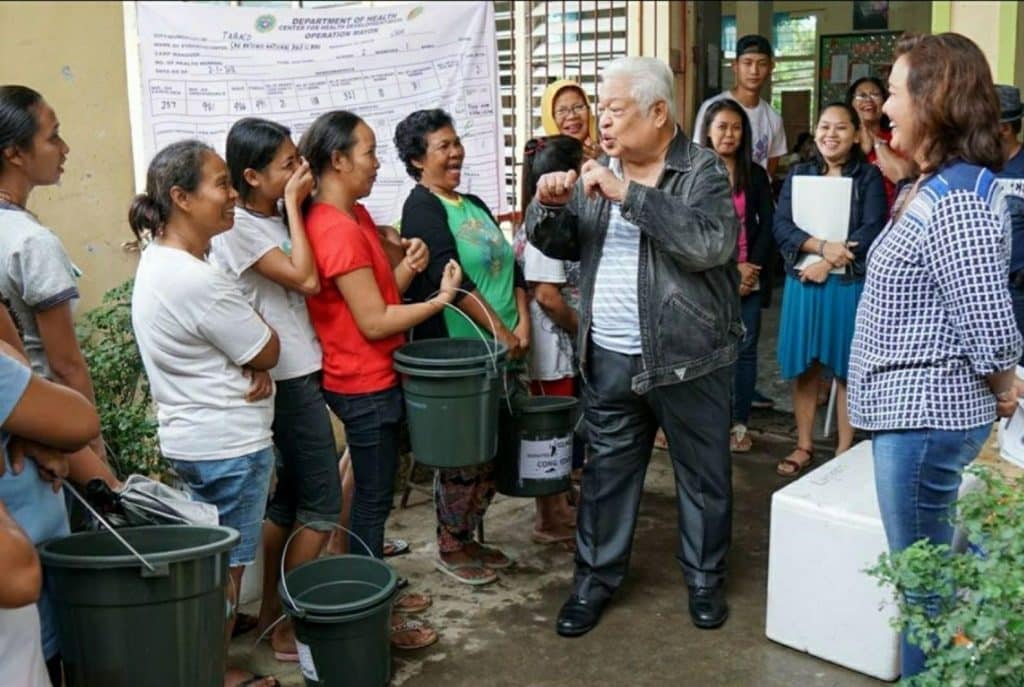
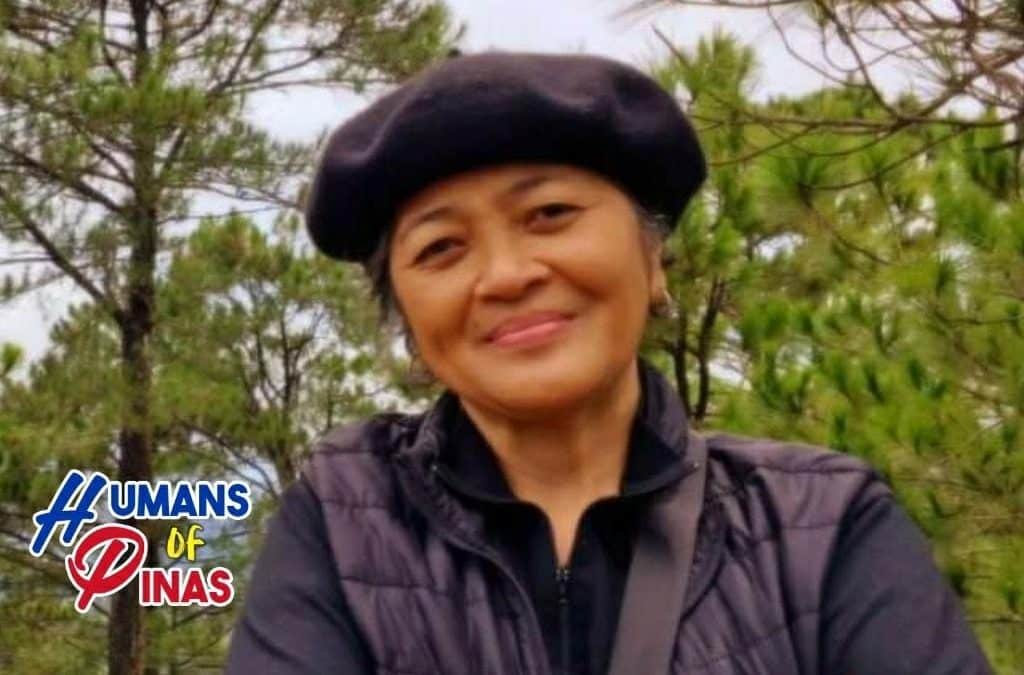
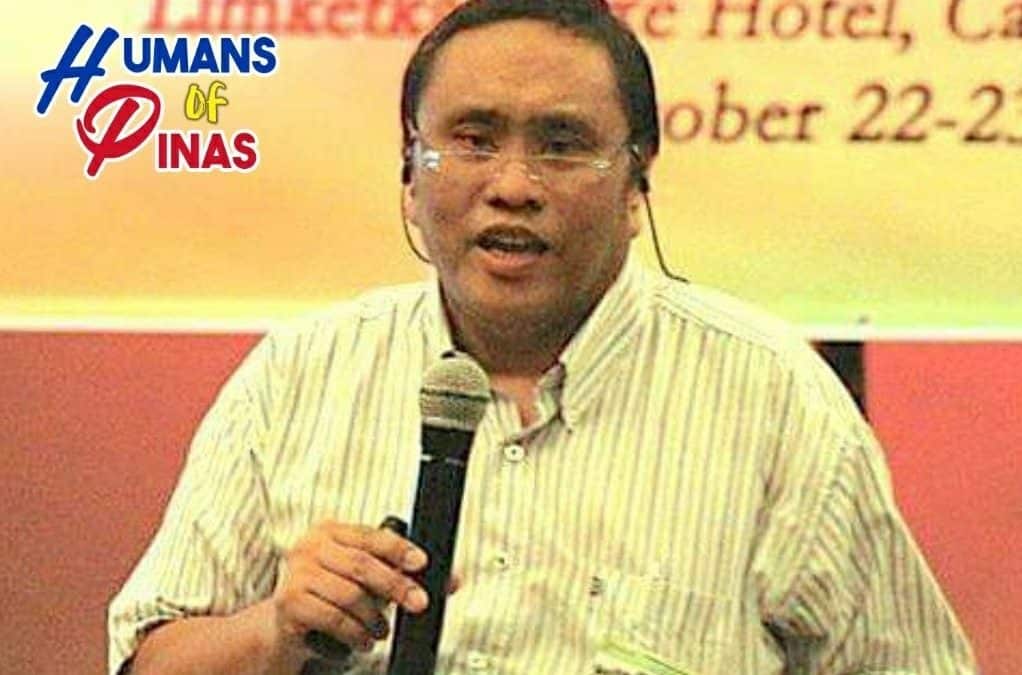
“My heart tells me not to be a masochist by sharing the harrowing and painful experience of my family during Martial Law. But my mind asserts that I should speak out and disseminate the truth for silence kills. It kills the truth. It kills freedom of expression. It kills the right to dissent. It kills democracy.
Many were forced to keep quiet by the might and terror of Martial Law. But not a few refused to be cowed into submission and be muzzled, notwithstanding the threat to their life, liberty and security.
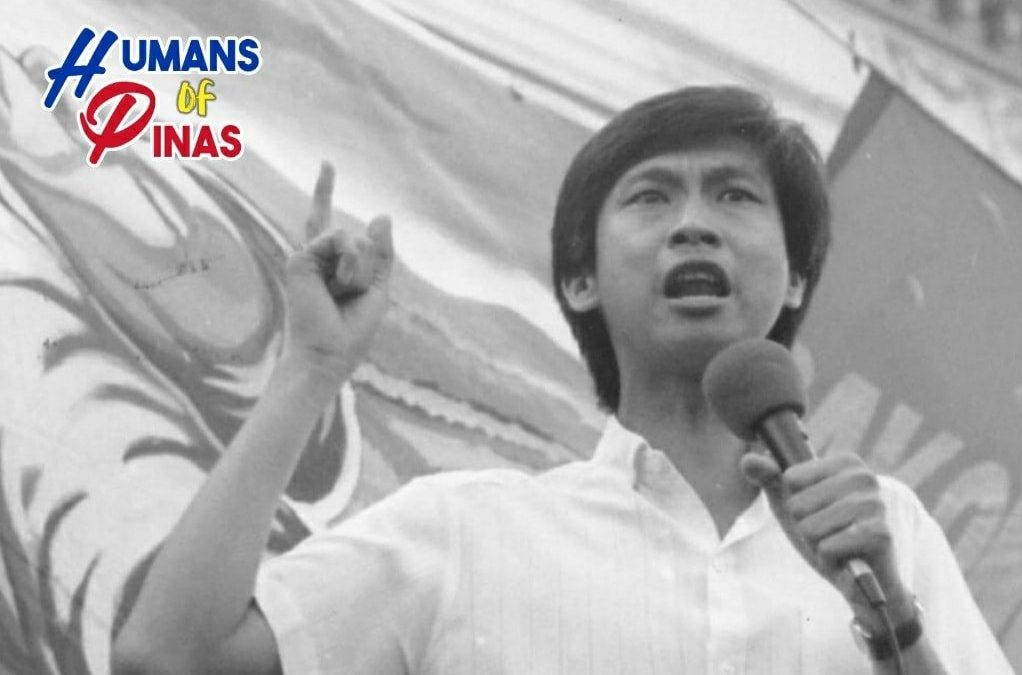
My two younger brothers, Hermon and Filemon or Ka Popoy, whose minds were both molded in UP Diliman, were among these courageous dissenters and resistance leaders.
My personal narrative on Martial Law is inevitably interwoven with the collective experience and shared oppression of the Filipino people under the various Martial Law executive edicts, policies and practices.
I learned about the declaration of Martial Law before it was publicly announced from Hermon who also said that Popoy, who was already with the underground movement, was safe. Ka Popoy was a UP student when he dropped out to join the forces against the dictator Marcos.
He survived the darkest years of Martial Law when he escaped from incarceration, and continued his crusade for the Filipino workingman. He was assassinated by unknown hired killers at the steps of the UP Bahay ng Alumni on February 6, 2001, or 19 years ago.
On September 22, 1972, the day following his signing of Proclamation No. 1081 putting the entire country under Martial Law, Marcos issued General Order No. 5. It prohibited “… rallies, demonstrations, picketing or strikes in certain vital industries, and other forms of group actions …” The Order warned that “… any person violating this Order shall forthwith be arrested and taken into custody and held for the duration of the national emergency or until he or she is otherwise ordered released by me (Marcos) or by my designated representative.”
This inordinately suppressive edict that sought to keep “all inhabitants” submissive robots was defied in no time by militant trade unionists who struck one after the other and later simultaneously in sympathy strikes.
These protest actions were staged by workers at the Gelmart Industrial Philippines, Inc; the Navotas Fish Landing and Market Authority; La Tondeña Distillery, Inc.; Atlantic Gulf and Pacific Co.; and Solid Mills, among others.
All these unions had my brother Hermon as their counsel. We were collaborating counsel in the case of the batilyos or fish haulers in Navotas. As their counsel, Mon, as we fondly called him, was no ordinary lawyer.
He rendered legal service pro bono. He even paid for the transcript of his client-workers’ testimonies in labor tribunals.
It was in his law firm, hardly three months into Martial Law, that on December 12, 1972 he was taken into custody by elements of the Philippine Constabulary. After undergoing tactical interrogation at Camp Aguinaldo, he was transferred to Fort Bonifacio where he was detained for two months. He was released without charges.
Mon’s detention was typical of many deprivations of liberty during Martial Law – indefinite detention without formal charges. His jailers, however, dismally failed to subdue his militancy.
In the words of my sister, Nilda Lagman-Sevilla, “Mon’s courage to resist repression intensified after detention, and his passion to serve the masses was inflamed by incarceration.”
Mon’s incessant advocacy for workers’ empowerment was suddenly halted on May 11, 1977. That day, he and Victor Reyes, a labor organizer, were to attend a lawyers’ meeting in Pasay City. They did not make it to the meeting. They were abducted and forcibly disappeared between Bago Bantay, Quezon City and Pasay City.
Our family learned about Mon’s disappearance three days later. An informant told us that he was seized together with Reyes by military elements.
My mother, father and I immediately searched for him daily in various military camps and police stations. He was nowhere to be found. As expected, no one in the military and police establishments admitted his abduction and detention.
My mother was a very courageous and resilient woman. But she would cringe and I could feel her anxiety heighten in every denial of Mon’s captivity. When we returned home, weary and exhausted from our failed search, she could not sleep.
She could not tame or restrain her boundless imagination that would take her to torture chambers, to cruel, inhuman and degrading inquisitions, where Hermon was a hapless but defiant victim.
Months turned into years of agonizing search, unanswered questions, endless waiting, and arduous striving for justice.
We are only one of the tens of thousands of families who are still endlessly waiting for justice. For many Filipinos, Martial Law was not only a bad dream, it is a continuing nightmare.
We should not forget the tragedy of martial law. We should not forgive the perpetrators and beneficiaries of Martial Law. National amnesia must be purged as an abhorrent malaise. Never again!”
“Martial Law was introduced to me at gunpoint … an M16 rifle treacherously and arrogantly held by one of the soldiers of the raiding team that barged into our house like mad dogs on that fateful day in Baguio the summer of 1973.
Their every hostile move unnerved and enraged us because it was as if they were frantically hunting down a ferocious criminal. They turned our house inside out in the vain attempt to see my brother, Ed, materialize from out of those invisible hiding places.
What terrorized us most was the threatening stance of their commanding officer, a certain Col. Eduardo, who barked orders to his men to surround the infant’s crib where my niece, who was not even a year old, lay sleeping.
They knew she was his child as their surveillance team had seen the couple bring their infant daughter home.
My mother steeled herself, but her anger and anxiety showed as she kept an eagle-eye on the marauders who insinuated that they could otherwise take the innocent infant to lure my brother and his wife out of their underground existence.
My father was thankful the subject of manhunt was not around. He was composed, despite the commanding officer’s accusations that his son was a top-ranking member of the Communist Party and belonged to the same collective as the alleged founder and chair of the subversive organization.
Our neighbors were not spared from the brutish display of military arrogance. Soldiers barged into the house across the street, suspecting our neighbors to be harboring my brother.
Even our friends from Manila who were having their quiet vacation were interrogated by soldiers, their summer house searched. The military agents arrested the head of that family and my brother, Nap, who had just come home.
They were pushed into the police car and brought to the Baguio City police station where they underwent tactical interrogation.
They also took away our new helper, Carlos, and brought him to Ambuklao, on the outskirts of the city. Soldiers threatened to push him down a ravine if he did not confess that he was a courier for my brother and his group.
Carlos replied that even if they killed him, he could not give them any information, as he was just recently hired by our family.
Since that military raid, my family was placed under surveillance. We had an activist, a fugitive, an enemy of the state. All throughout my high school life, I wore this truth like a badge of courage.
My brother’s absence was more pronounced during the holiday season when my mother wept with anxiety and longing for her eldest son. The few cryptic missives sent to us through clandestine channels were read, passed around, read again.
My mother smudged it with tears sometimes as she pondered the fate of her granddaughter, separated from her Tatay and Nanay.
The phone would ring during birthdays and holidays and we had that uncanny feeling, listening to the silence at the other end of the line. We were tempted to utter his name, but knew our phone was bugged. So, we just let our voices be heard by him who pined and hurt for home.
When I entered UP Baguio in 1975, the air was rife with discontent and talk about our student leaders’ readmission after their release from detention. The clamor was for the restoration of the student publication and the student council that were banned upon the declaration of Martial Law.
We demanded that these be reinstalled as they were the only channels for the expression of academic freedom (a myth, actually at that time).
My brother was arrested in a hospital somewhere in Manila in September 1976. He was later transferred to Camp Bicutan in Taguig. A difficult and trying period for the family; the unease was assuaged by the fact that, at least, we knew he was alive and he shared a cell and collective with captured comrades.
There we heard and learned of harrowing stories of their other comrades’ fateful and tragic ends at the hands of Marcos’ butchers and beasts. It was in Bicutan prison where I first heard and learned songs of freedom from the US-Marcos dictatorship.
When I got my college diploma in 1980, I left for community immersion. I informed my family that I was heading for the countryside as this was what the times needed ─ dauntless youths who would defy the dictatorship by organizing the masses through political education, organizing and armed resistance.
The struggle of the Kalingas and the Bontoks against the World Bank-IMF-funded Chico Dam project was raging. Also escalating was the Tingguians’ resistance to the Cellophil Resources Corporation owned by a Marcos crony that was devastating the forests of Abra.
Never was I more certain that it was in the resistance of the indigenous people, whose patrimony could have been easily wiped out with a stroke of a pen, that I wanted to be counted. The stark reality of far-flung communities struggling to survive amid state neglect, oppression, and deprivation somehow always validated my need to be part of the resistance.
All those dark years, I kept a notebook where I poured my poems on missing home and being a child of different families who opened their doors to us and shared hearth with us. With the nom de guerre Lucia Makabayan, I would read my works in an underground publication, which I got to hold and read years later.”
“Nasa grade school pa lang ako nung ipinataw ang Batas Militar noong 1972. Ang tanda ko noon ay mahigpit na curfew, ginugupitan ang mga nahuhuling mahahaba ang buhok, at ang walang-patid na broadcast ng slogan: “Sa ikauunlad ng bayan, disiplina ang kailangan.”
Sa aking pagtanda, nagsimula ang patuloy kong pagtatanong patungkol sa kahirapan at pang-aapi, at sa tulong ng mga progresibong kurso at guro, at sa napadalas kong pagbabad–“exposure”/“immersion”–sa mga dukha, ay lumawak ang aking pag-unawa sa mga sakit ng lipunan.
Oo, naging aktibista ako, at nakilahok sa mga sari-saring isyu ng mga mambubukid, ng manggagawa, at ng maralitang tagalungsod–mga pagunahing biktima ng diktadura noon–at pagtutol sa mabangis na Batas Militar.
Nag-organisa din at lumahok sa maraming sama-samang mobilisasyong humarap sa maraming mararahas na dispersal: pagbatuta, teargas, pagbomba ng firetruck ng tubig-imburnal, at pati pamamaril. (Andun ako sa rally sa Welcome nung nabaril ang kasalukuyang tsanselor ng UP Diliman.)
Subalit tuloy-tuloy pa rin ang taumbayan sa mga protesta. Isang Welgang Bayan noong 1985 ay pinangunahan ng mga jeepney drayber upang tutulan ang pagtaas ng presyo ng gasolina at bilihin, at patuloy na paninikil sa karapatan ng tao.
Nagtipon ang iba’t-ibang mga sektor sa mga convergence point sa buong Kamaynilaan, kasama ang Cubao, kung saan ako nakilahok.
Nagkaraoon ng programa kung saan nagsalita ang mga tsuper, at kinatawan ng mga sektor, kasama na ang mga kilalang direktor na Lino Brocka (+) at Behn Cervantes (+). Mga 300 katao kaming payapang nagpipiket, habang nakikiusap sa mga bumibiyaheng pailan-ilang jeep na magtigil-pasada muna, para sa bayan.
Biglang pinalibutan kami ng mga 100 pulis (bukod pa sa mga di-nakauniporme). Noong tinapos na ang programa, sinigawan nila ang mga taong mag-disperse; subalit wala pang 10 minuto ang nagdaan, biglang lumusob ang nakahanay na pulis at bigla kaming pinagpapalo at pinagdadampot.
Nakwelyuhan ako ng isang ahenteng naka-plainclothes, binatukan, kinaladkad at tinulak sa loob ng isang Harabas. Dahil takot na baka saan kami dalhin (o iwala), mariin kong sinabihan ang mga madreng lumapit sa sasakyan na samahan kami’t huwag iiwan, sabay bigay ng pangalan.
Doon nagsimula ang kalbaryo naming mga 37 kataong hinuli (kasama ni Lino at Behn). Una’y dinalang Camp Karingal, tapos isang gabi sa QC Jail, bago dinalang Bicutan kung saan kinukulong ang mga “subersibo”.
Mapalad pa ako–dahil sa mga kilala kong “klasmeyt”, tuloy-tuloy na pagreport ng media, at malawakang pagkondena (pati international) ng aming pagkulong–di kami ginalaw o tinortyur nang pisikal, na di normal sa mga karaniwang detinido.
Sa aming kaso lalong lumiinaw ang reyalidad ng Batas Militar sa ilalim ni Marcos: pagkitil sa karapatang magpahayag at magtipon. Marahas na panggugulo ng mga lehitimong rali. Ilegal na pagdampot at pagkulong.
Pekeng mga paratang ng kapulisan. Harapang pagsisinungaling ng mga huwad na testigo sa korte. Maniobrang legal at huwad na paratang (sedisyon, subersyon, illegal assembly) upang di kami makapagpiyansa at makalaya.
Pagpataw ng Presidential Detention Action–kapangyarihan ng diktador na magkulong ng kahit sino, kahit walang paratang.
Tila malaki rin ang nagawa ng aming kaso upang umigting ang paninindigan, pagtutol, at pagbabalikwas ng sambayanan.
Walang tigil ang suporta sa amin: serbisyong panlegal; tulong pinansyal at di-materyal; pagbabantay at pagsisiwalat ng kaso; sari-saring liham, petisyon, at pahayag na umabot sa iba’t-ibang sulok ng mundo (pre-internet); patuloy na mobilisasyon kasama ang napakalaking rali sa Cubao noong Pebrero 1985 para sa aming paglaya.
Nakalaya kami 14 Pebrero 1985–pagkatapos iatras ng rehimen ang PDA, sa takot na baka matalo sila sa sinampa naming kaso sa Korte Suprema.
Pinatupad ang order ng aming RTC Judge (Miriam Defensor Santiago!) na makapagpiyansa kaming 37. Dinala kaming sa St Joseph’s College at doon kami pinakawalan sa aming mga abugado, pamilya, kasama, at mga minamahal.
Naging mahalagang yugto ito sa pagragasa ng kilusan laban sa diktadura, at laong paghubad sa pagka-lehitimo ng rehimen. Napilitan tuloy si Marcos magpatawag ng “Snap Elections” noong Pebrero 1986, na sinubukan muling nakawin ng diktadura.
Ito’y naging mitsa ng pagbuhos ng milyun-milyon sa EDSA at sa iba’t-ibang lugar sa kapuluan, at patalsikin ang diktadurya sa mapayapang rebolusyon, gamit ang Lakas ng Sambayanan.
EPILOGO
Noong 2015, kasama ako sa mahigit 75,000 biktima ng Batas Militar na nagsampa ng “claim” (batay sa aking ilegal na pagkulong) sa Human Rights Victims Claims Board (likha ng RA 10368, na nagtalaga ng proseso upang magtala, magsuri at maggawad ng pinansiyal na ayuda sa mga biktima, na galing sa nasamsam na ilegal na yaman ng mga Marcos). Isa ako naaprubahang gawaran ng reparasyon noong 2018.”
“September 19, 1987, remnants of Marcos rightist vigilantes managed to put a fatal bullet to Lean’s face that pierced through his head, killing him instantly.
On his lap was a book on Italian Marxist theorist Antonio Gramsci, which Lean was reading. His assassination marked the official separation of the critically supportive Left from the Cory Aquino administration.
But this is not about his death. This is about Lean’s life.
Lean had always been different. A cut above the rest. In grade 4, his parents were called to the principal’s office because he insisted on reading the Encyclopedia Britannica which was allowed only among the upper grades.
He had to find out what could cure his grandmother’s ailing cat. A borrowed encyclopedia from his cousin appeased Lean where he found the cure: cod liver oil.
How do pigs give birth? Why did the moon always follow him? These and countless more questions were answered when his family was able to raise money to buy him his own encyclopedia.
Lean was insatiable at learning, but also at teaching. He was known to bring a whole group of classmates to his house to give tutorials. In UP, he would be found among clusters of students, talking about Trotsky, Karl Marx, even Mao, in his famous “tsinelas”
Yes, Lean was the originator of “tsinelas” politics, attending classes, forums, meetings in his rubber slippers, even among the esteemed company of Lorenzo Tañada, Jose Diokno or Chino Roces.
He was a rockstar and his professors found him no less so. He was known to frequent the homes of then Dean Francisco Nemenzo to play chess in between talks of their visions for the future, or that of Prof. Randy David to play ping pong in between hearty talks on campus and national politics.
Ferdinand Marcos watched Lean’s rise closely, as closely as he did Ninoy Aquino. Lean was the one budding thorn that pricked the ego of the dictator.
Then defense secretary Juan Ponce Enrile was known to have invited Lean after he had a not-so-pleasant encounter with daughter Kristina in campus. Enrile wanted to see for himself what the dictatorship was up against.
For it was Lean that led the historic May 1984 students march to Mendiola to protest tuition fee hikes, a first after Martial law was officially lifted in 1981 to have ended successfully after the First Quarter Storm of 1970.
The recapture of Mendiola was crucial because it was right at the doorstep of Malacañang. And Marcos didn’t like being threatened.
In a letter addressed to his wife Lidy in his detention cell 1985, after Lean was arrested during a rally he wrote:
“The struggle for freedom is the next best thing to being free.
“Many speculate where Lean would stand today amid all the killings, corruption; amid all the political accommodation and divisiveness charged against the Left. There is only one answer. He would still be making a choice for the next best thing: the struggle to be free from social injustice.”
I entered journalism in 1984. Our home island, Negros, the country’s sugar bowl, was also known as a “social volcano.”
I was 21, a reporter for a local daily, stringer for a wire agency, correspondent for a Catholic church-backed news service and a national daily.I was also part of Cobra-ANS (Correspondents Broadcasters and Reporters Association News Service). Most of our members worked in the just re-opened mainstream media.
Many colleagues had grown rusty from with their martial law hiatus. We helped them by going into places the fearful would not visit, sharing the nitty-gritty of people’s lives.Marcos had lifted martial law but repression of went on.
At the COBRA-ANS office, a road-front apartment, we regularly received hate packages. It was usually a box with a black ribbon and a scrawled threat; two contained bullets. Our senior member, Edgar Cadagat, put up a canopy of heavy fishing net material at the office entrance.In early 1985 we crashed an island military command briefing for local officials.
As we walked in, a big screen displayed “Enemies of the State”, with “Cobra-ANS” just below. Rolling slowly upwards were our names.The hacienda system defined Negros. A few clans owned most of the land.
A sugar quota system that guaranteed markets had pampered them for decades. On the other side of the divide were farm workers or sakada, practically serfs, their lives controlled by masters and overseers.
After the US quota ended in 1974, Ferdinand Marcos appointed cronies to head a state-owned marketing and trading monopoly. They robbed sugar planters, drowning them in debt. That led to the collapse of our monocrop economy.On our lush plains, man – not nature – ushered in famine. Workers’ families fled the haciendas to scrabble for work in the city. There was little to be had.
I covered the last days of Joel Abong, the child who appeared on newspapers as emblem of Negros’ economic disaster. Doctors couldn’t save him. He was not alone. Children arrived in hospitals so emaciated they looked like refugees from sub-Saharan Africa.
Swollen bellies, stick limbs, eyes that either drooped or stared blankly. Some were too weak to talk; many could not walk.By September 1985, the protest movement in Negros had grown big enough to organize long marches north and south of the capital, Bacolod, amid a general strike calling for better wages, safety nets for sugar workers, agrarian reform, and an end to human rights abuses.
I covered the immediate aftermath of the Escalante Massacre, where police and paramilitary troops gunned down protesters, killing 20 and wounding 30 others.Journalists who had raced from Bacolod froze as the machine gun on the murderers’ roost atop the municipal hall swang towards us.
Some bodies had been brought to the building’s entrance, dumped atop each other.We went straight to the town hospital. From outside, we heard screams and cries. Cops blocked entry. A friend took us in through a back door. We tried to keep out of the way of doctors and nurses but some of the wounded called out.
We managed to talk to the least injured. We then went to the schools, churches and homes that sheltered those who had fled as the guns blazed.The next day, at the provincial constabulary compound atop a small hill, I struggled to keep face blank while interviewing stone-faced officials and grieving relatives who squatted on the ground beside the slain.
Despite the lime thrown on the bodies, the stench of decomposition filled the air. I visited Escalante in 2016 for the 31st anniversary commemoration rites. The bank in front of the municipal hall still had huge pockmarks left on its wall by the machine gun bullets that tore into a sea of unarmed folk.
I had interviewed Bernardino “Toto” Patigas the day after the massacre. Thirty one years later, the memory still left him in tears. Two and a half years after my last visit, in April 2019, gunmen gunned down Toto in broad daylight. On Negros, killers stalk the land once more.